

The short answer is yes, planter boxes should have drain holes. Proper drainage is critical to growing healthy plants, because the roots need access to air. Plants sitting in stagnant water have a high chance of developing root rot, which is a serious and often lethal condition for plants. If your plant has yellowing leaves and leaves that droop and sag but don’t perk up after a watering, it may have root rot.
In addition to preventing root rot, having good drainage can also prevent a buildup of salt in the soil. Tap water contains salt, especially if you live in an area with hard water. This salt accumulates in the soil over time and creates an unhealthy environment for growing plants. With good drainage, the salt flows out of the planter and doesn’t build up and cause problems.
Drilling holes in planters for drainage
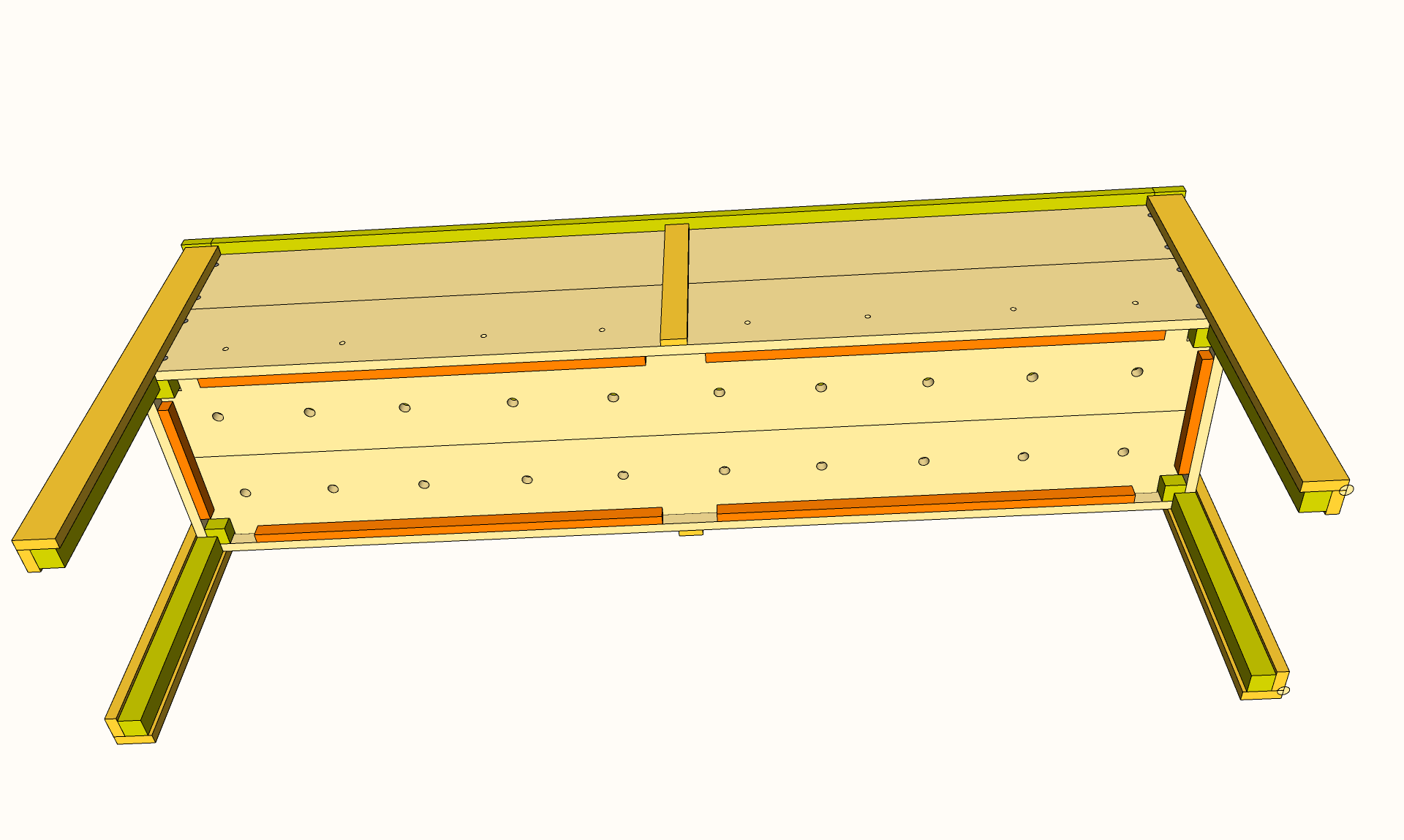
Raised planter with drainage holes in bottom
In a wooden planter box, it is necessary to drill several holes in the bottom of the box to allow the water to exit. These holes should be fairly large, either 5/8″ or 3/4″. Spade bits are a great option for drilling these large holes into planters. If you drill these holes and your planter is still not draining, you can later add more holes, even after soil has been added.

Raised planter with drainage holes in side
Additionally, with large planters it is good to add drainage holes in the side near the bottom. These holes can be smaller than the holes in the bottom, like 3/8″ diameter. These side drainage holes allow for even better drainage, and can improve root health.
Can I use pots that don’t have drainage holes?
You can drill holes into pots that don’t already have them. For plastic pots, use a handheld drill and a regular twist drill bit. For drilling holes into ceramic or terra cotta pots, it is best to use a masonry bit.
Test your drainage by testing moisture content
An easy way to test the drainage on your pots or planters is to use a moisture meter in the soil, like the one pictured below. These devices will definitively tell you if the soil is dry, moist, or wet. They are fairly inexpensive, and operate with no batteries required. To get a good idea of the water flow in your garden take multiple measurements to see how the moisture content of your planter fluctuates throughout the day.

Moisture meter
If the soil is dry, you might not be watering enough, or you need to add some soil amendments that improve water retention. Water can also be lost through evaporation on the surface, and a good way to prevent that type of moisture loss is to put mulch on top of the soil.
If the soil is moist, that is the preferred environment for plants, and your drainage is good.
If the soil is wet, you need to improve the drainage by adding more drain holes in the planter box. Some soils that are heavy in clay content can also retain too much water, so make sure you are using soil that is recommended for raised beds and planters.
Some links are Amazon Affiliate links, and as an Amazon Associate I receive a percentage of qualified purchases at no additional cost to the buyer.
Planter box plans

This Elevated Planter Box has a sturdy yet elegant design, with no excess material used. It sits above the ground for easy gardening without having to bend over. The 12 pages of fully illustrated step-by-step plans will have you gardening in no time.
Holds about 8 cubic feet of soil.
Difficulty: 1/4.
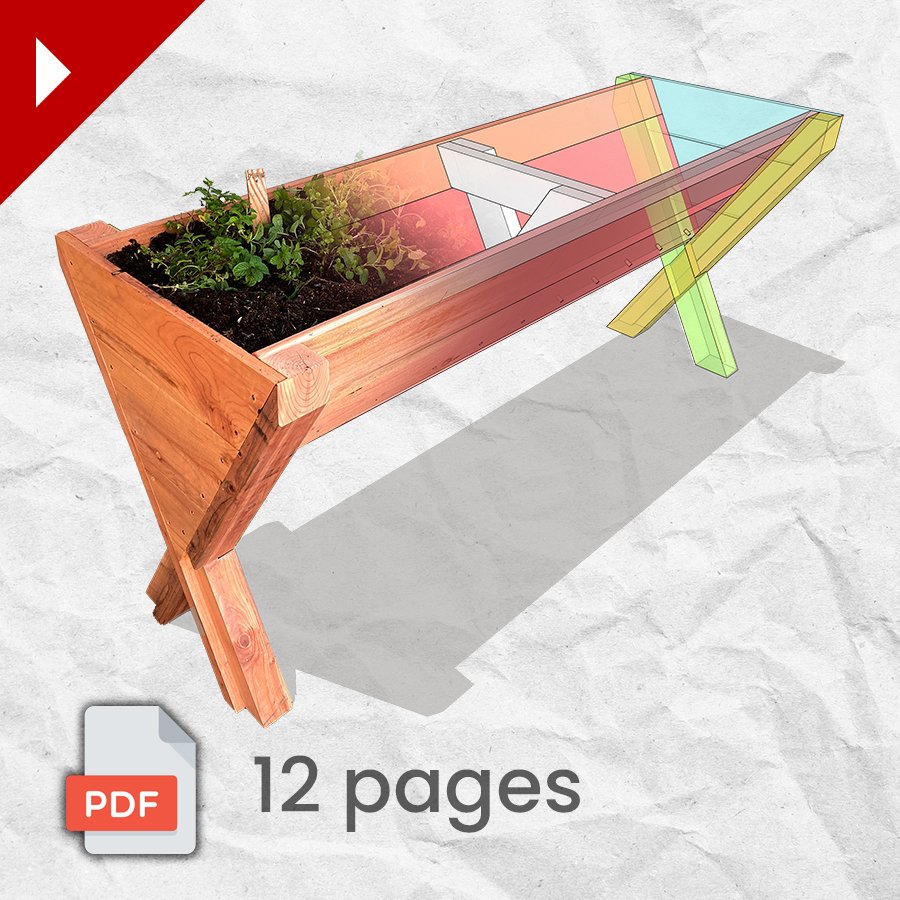
This attractive planter box uses trestle style crossed legs joined with a sturdy angled half lap joint. It is made of fence boards and 4x4s and holds about 6 cubic feet of soil.
Difficulty: 2/4.

This stylish two-tiered planter box leans against a wall or a ledge. It’s great for growing herbs and vegetables, and can be built with a single 2x6 and three fence boards. Dado joints in the legs make it extremely strong. I recommend using redwood or cedar due to their rot resistance.
Difficulty 2/4

This is a fun and decorative planter that is shaped like a large 13″ tall coffee mug. It is constructed using staves like a barrel. This project uses biscuit jointed staves, as well as splined miters. It is a challenging build. Make sure to watch the video.
Difficulty: 3/4
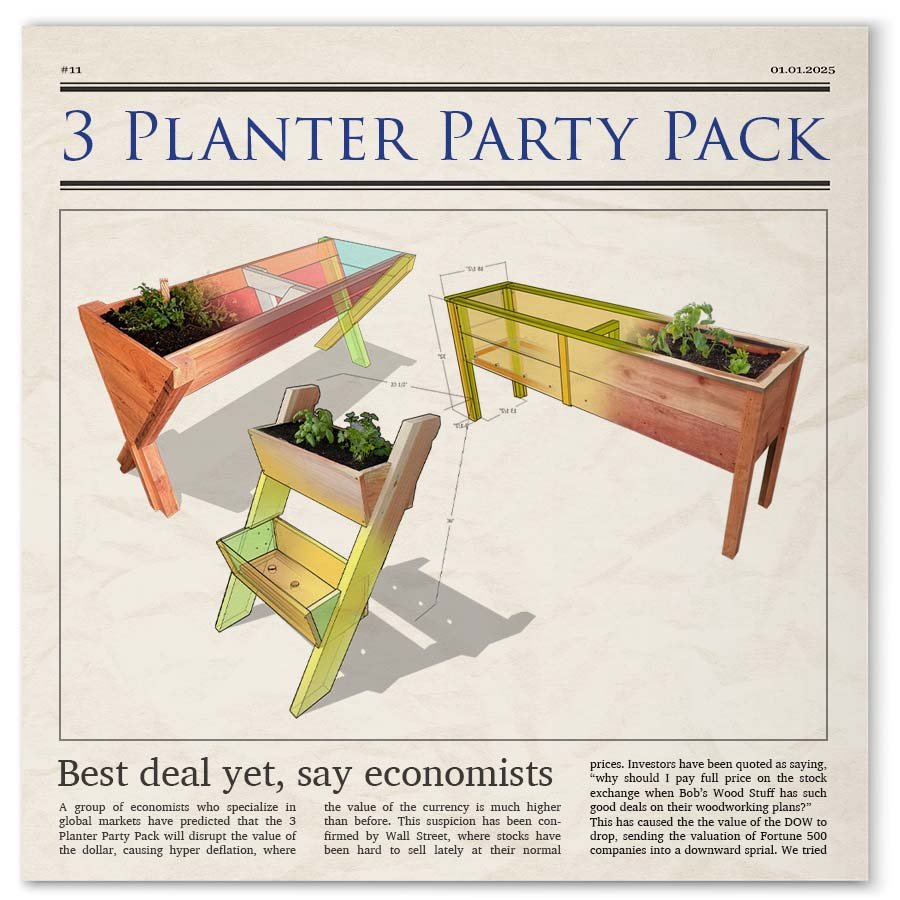
In the 3-Planter Party Pack, you get plans for the:
- Elevated Planter Box
- Leaning Planter Box
- Trestle Style Elevated Planter Box
Get all three plans at once and enjoy the savings as you turn your yard into a vegetable growing paradise.
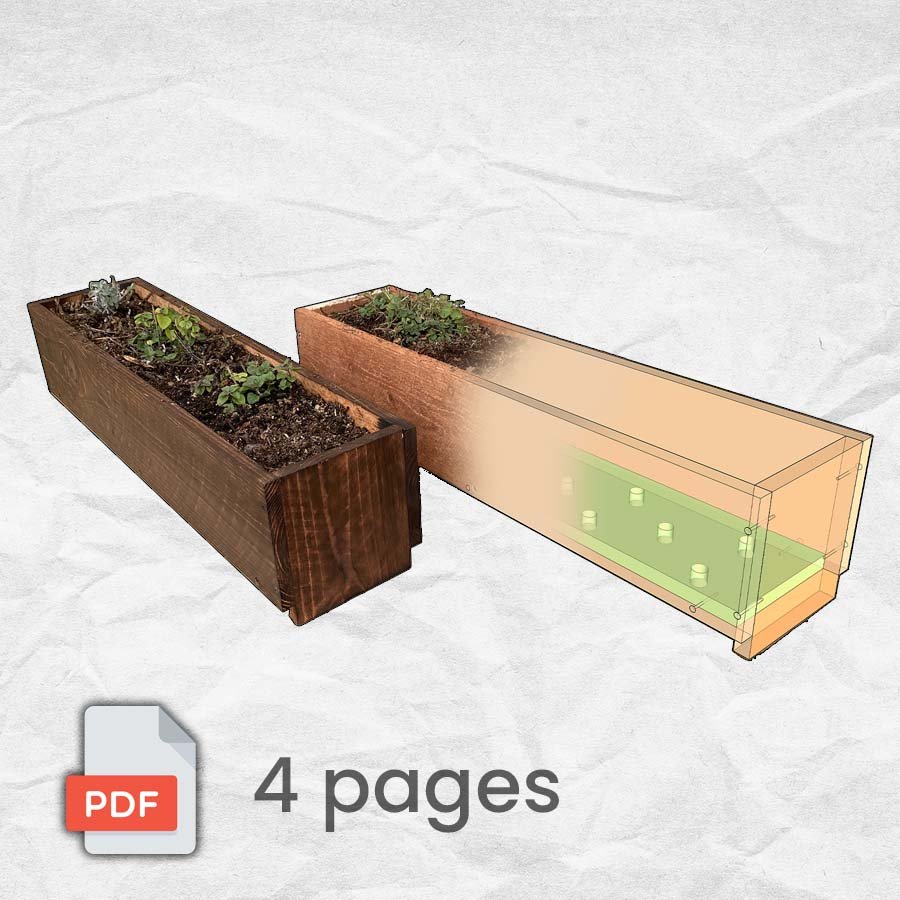
These small herb planters are very simple to make. They make a good project for a beginning woodworker, or a quick build for someone more experienced. Grab three cedar fence boards and get a jump start on your garden for the season.

This plant stand is a very quick and easy project, and it is a great way to hold up a potted plant or a cooler or water jug with a spout. The construction is very solid and because it is fully supported it can hold a lot of weight.
Difficulty 0/4
3 pages of step-by-step instructions

This Japanese-inspired plant stand design uses four angled bridle joints and one half lap joint. I originally designed the project for my Joinery class.
I recommend using a wood species that is rot resistant like redwood, cedar, teak, or white oak, since this is an outdoor project.
Difficulty 2/4.